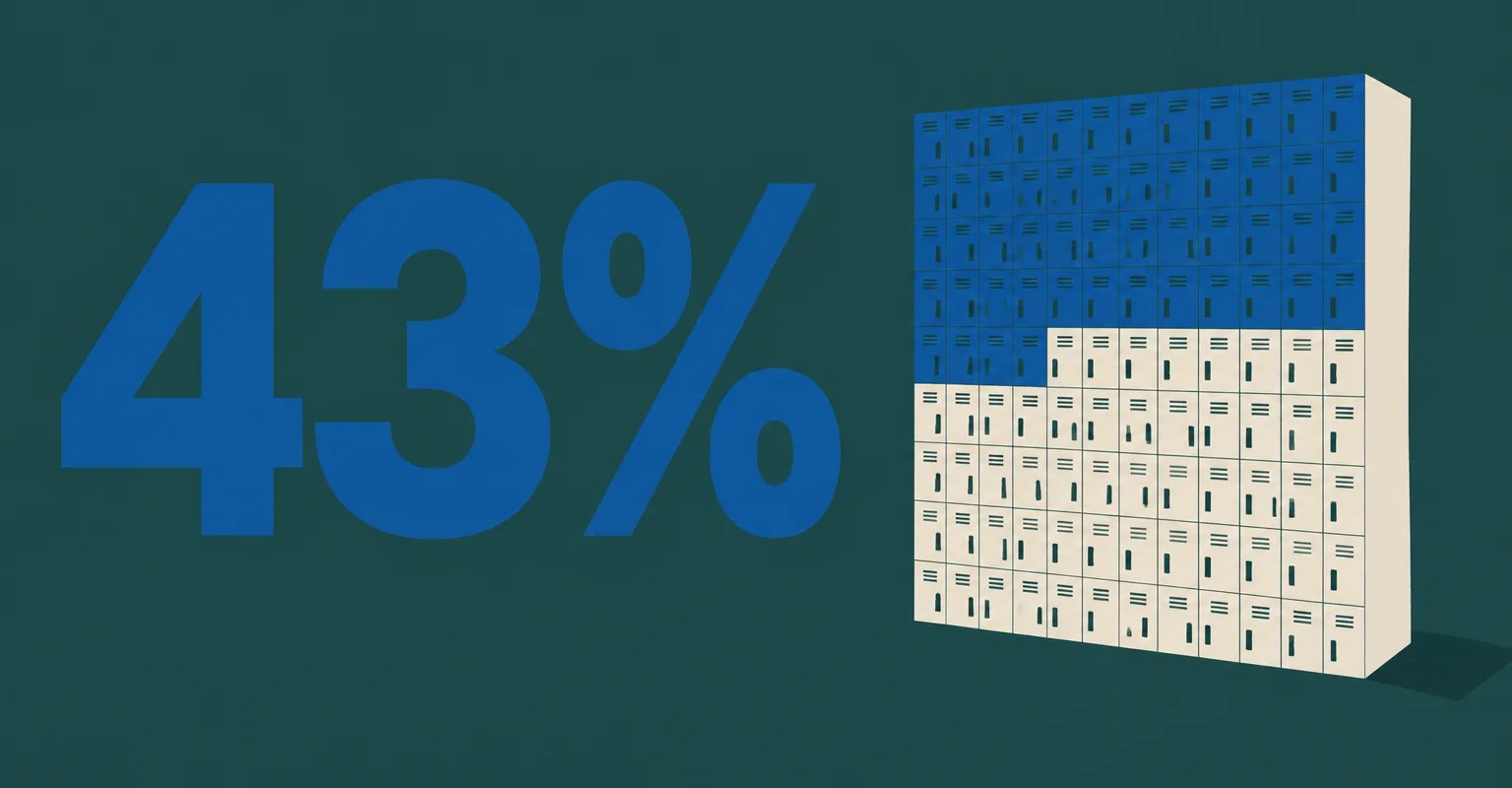
A national Rutgers University study found that 42.7% of U.S. adolescents ages 13 to 17 had gambled during the previous year, while 52.5% of all respondents ages 13 to 27 reported doing so. The survey also found elevated problem-gambling risk among those who had gambled, particularly among participants exposed to gambling at home or using multiple forms and settings.
The Center for Gambling Studies surveyed 1,677 adolescents and young adults in a national probability-based study conducted from April through July. Rutgers described it as the first national prevalence study of U.S. adolescents and young adults in nearly 20 years.
The research assessed 21 traditional, gambling-like and emerging activities, including sports betting, casino gambling, lottery games, cryptocurrency and high-risk stock trading, social casino games and prediction markets. That broad definition means its participation estimates encompass more than conventional wagering products.
Among respondents who gambled in the past year, 39.5% reported some level of problem-gambling risk and 10.3% met the study’s high-risk threshold. Across the entire sample, 20.8% showed some risk and 5.4% were classified as high risk. About 11% of teenage gamblers fell into the high-risk group.
The classification applies to past-year gamblers who scored at least eight on the Problem Gambling Severity Index. Rutgers stressed that it indicates substantial gambling-related problems rather than a clinical diagnosis.
Household exposure was strongly associated with both participation and severity. Overall, 41.1% of respondents said a family or household member gambled, rising to 51.5% among adolescents. Those who believed a household member had a gambling problem were more than five times as likely to be high-risk gamblers, while those who gambled with a family member were more than four times as likely.
The study found higher risk alongside earlier and more frequent gambling, activity across more products and use of more settings. Nearly 46% of past-year gamblers used both online and in-person venues. Among high-risk gamblers, 65.4% used both online and land-based settings, 52.5% gambled at least weekly, and they participated in an average of 6.7 activities, compared with 2.7 among gamblers without problems.
About 40% of prediction-market bettors and 41% of social casino players were classified as high risk, compared with 10.3% across all past-year gamblers. Lower household income was also associated with more severe problem gambling.
Gamblers reported higher rates than nongamblers of alcohol use, binge drinking, drug use, excessive social-media use and excessive shopping. Among high-risk gamblers, 52.8% reported anxiety, 38.4% reported depression and 13.1% reported suicidal ideation. High-risk classification was similar by gender, at 10.7% among female gamblers and 9.9% among male gamblers.
Lia Nower said the findings should be a wake-up call for parents, educators, health professionals and policymakers, arguing that gambling has become embedded in products young people can access. “We cannot wait until young people reach adulthood to begin addressing gambling-related harm,” she said.
As reported in August, a Gallup poll found 45% of U.S. adults had taken part in at least one of 13 gambling activities over the prior year; the adult poll used a different population and activity measure, so its figure is not directly comparable with Rutgers’ estimate. A separate Common Sense Media survey of 1,017 boys ages 11 to 17, conducted in July 2025, found that 36% had gambled in the past year, with participation rising from 32% among 11-year-olds to 49% among 17-year-olds.