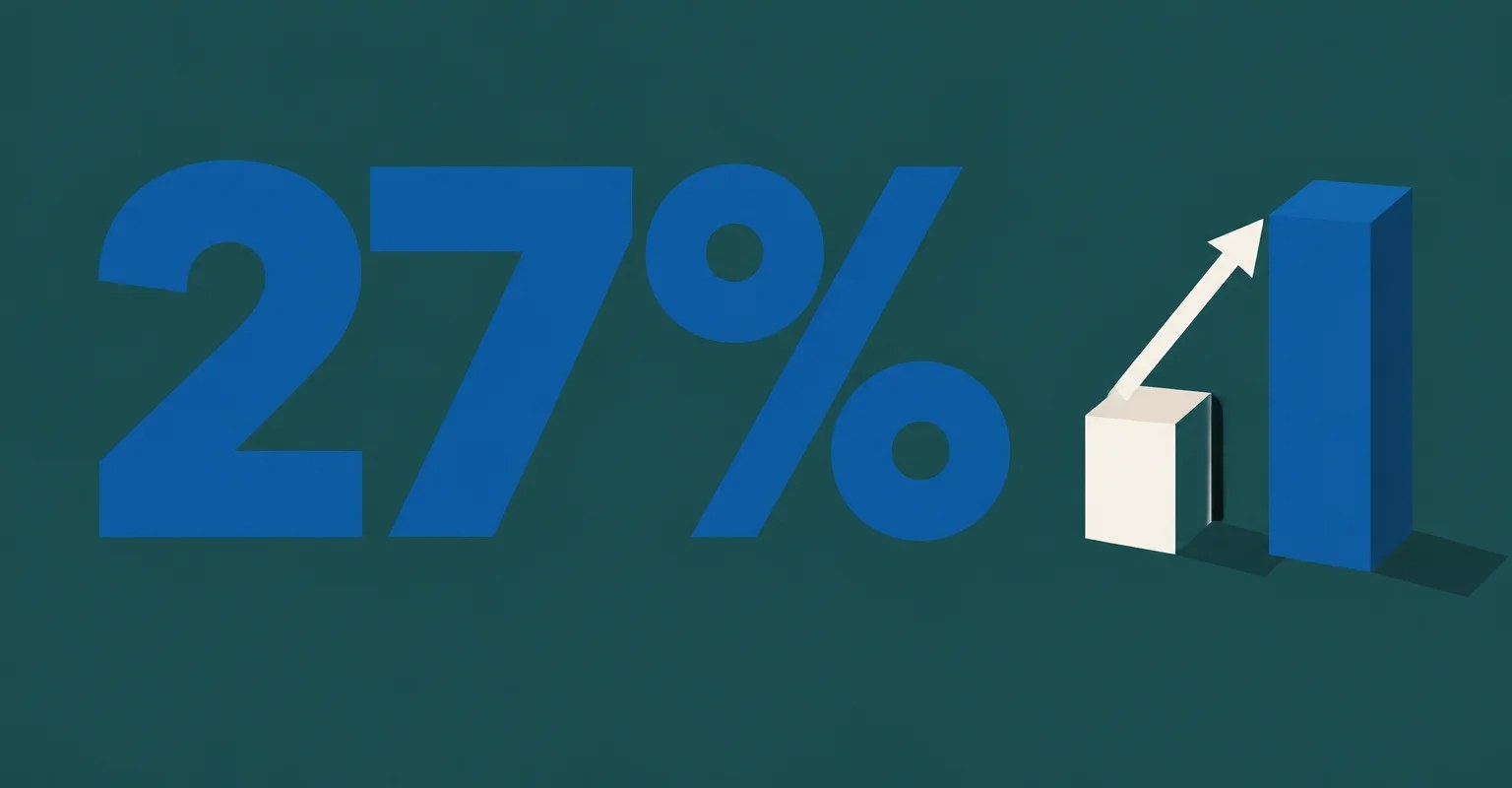
Prediction-market trading surged during the World Cup, outpacing growth at traditional sportsbooks. Kalshi repeatedly broke its own trading records, and H2 Gambling Capital estimated that prediction markets accounted for about 27% of all legal U.S. sports-betting volume during the tournament, up from 9% at the start of the year.
According to Moneycontrol and Fortune, Kalshi doubled the peak it had reached about a week before the tournament began, during the New York Knicks’ playoff run, and was running at nearly 10 times the levels seen at many points early in the year. The comparison with sportsbooks was not exact, because prediction markets and gambling companies measure activity differently, and the sportsbooks had not yet released recent internal numbers.
Kalshi also drew more daily users on its phone app than DraftKings and FanDuel during the tournament, according to Apptopia. FanDuel said the World Cup had seen record interest from its customers throughout the competition, with the top 10 soccer games by handle in its history all coming during the event.
The tournament underscored how quickly the industry has moved. Less than two years earlier, prediction markets were not allowed to offer wagers on sports games, and last summer gambling executives dismissed them as fringe upstarts hampered by regulatory uncertainty. The reports said the World Cup gave Kalshi and Polymarket a chance to show the products the CFTC had allowed them to launch, while they also fought state regulators in court.
Sports became the single largest driver of growth for the nascent prediction-market business, and some of the fastest-growing wagers were “combos”, a prediction-market version of parlays. Those contracts let users take risky, low-odds bets on multiple outcomes in sequence.
Kalshi and Polymarket have also tried to distinguish themselves from sportsbooks by saying they do not profit when customers lose, and by offering markets on events such as elections and weather that sportsbooks do not usually cover. The reports said the tournament also made clear that prediction markets create financial contracts that mimic many traditional gambling products.
Polymarket grew rapidly during the tournament on both its international exchange and its new U.S. platform, but Kalshi had more than twice as much trading volume as Polymarket, based on user-compiled data on Dune Analytics. A new platform backed by Robinhood Markets and Susquehanna International Group also attracted significant trading volume during the World Cup.
Trading cooled after the busiest days, leaving exchanges with the question of how many new customers would stay once the tournament ended. Ed Birkin of H2 Gambling Capital said prediction markets had had a very good World Cup, but were “less of a threat than some people make out” even as they were “definitely eating around the edges.”
Regulatory scrutiny has also continued. On Feb. 25, the CFTC issued an advisory after public enforcement cases involving misuse of nonpublic information and fraud on KalshiEX, saying it has full authority to police illegal trading on designated contract markets and that those markets must maintain audit trails, conduct surveillance and enforce their own rules.