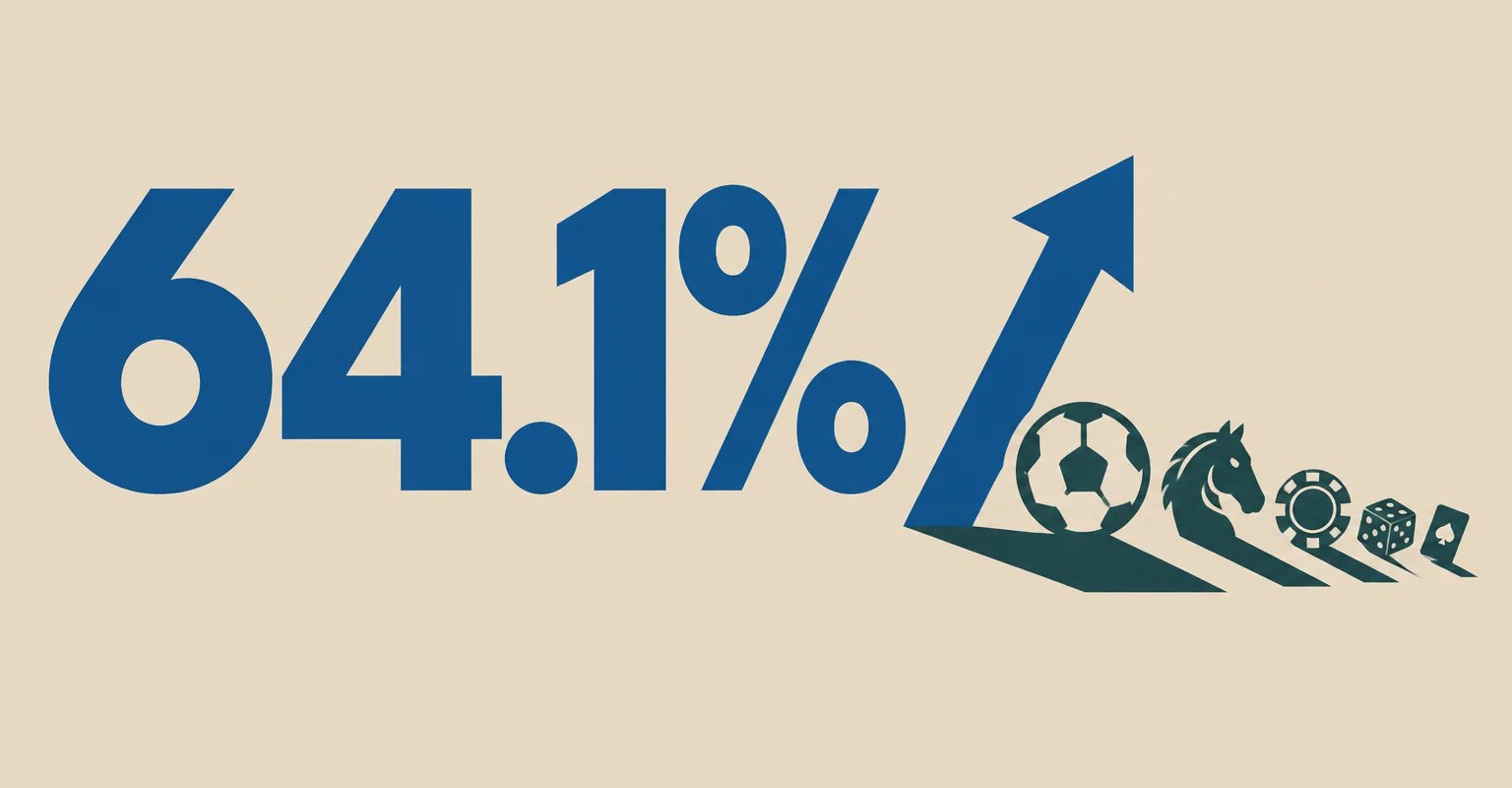
Michigan has obtained compliance from 166 of the 259 illegal online gambling sites that received cease-and-desist letters since mid-2024, the Michigan Gaming Control Board said Nov. 13. The 64.1% rate was up from roughly 50% reported at the Global Gaming Expo in October 2025.
The figures closed the regulator’s Illegal Gambling Awareness Week, which ran Nov. 9-13. They cover a campaign that began with Executive Director Henry Williams’s May 2024 order requiring offshore sportsbook Bovada to leave the state.
Bovada left Michigan after the order, and the regulator has since widened its actions across offshore casinos and sportsbooks, sweepstakes sites and unlicensed prediction markets. The board had first moved against sweepstakes casinos in 2023, citing concerns that they did not observe consumer protections or Michigan’s 21-and-over age limit.
The enforcement programme has included a 45-operator sweep in April and 32 cease-and-desist letters sent to offshore operators on Oct. 8. Those operators were accused of offering online casino games, sweepstakes-style games or sports betting to Michigan residents without state licences. The board warned that unlicensed sites need not honour the state’s responsible-gaming self-exclusion database.
The MGCB said GeoComply data covering March 2023 through March 2025 showed a sharp decline in Michigan searches for and traffic to offshore brands that received its letters. A March Blask study ranked Michigan first among fully regulated states for channelization, estimating that about 75% of consumer gambling activity went through legal operators, against roughly 62% across the states studied.
Blask attributed Michigan’s position to its broad legal gaming market and the regulator’s pursuit of illegal competitors. Williams said illegal operators offered Michigan residents none of the protections required by state law.
The board also reported that 281 locations removed 682 illegal gaming machines after receiving cease-and-desist letters between Oct. 1, 2022, and Oct. 31. Joint investigations with the Michigan Department of Attorney General have produced 146 convictions since 2015, as well as the seizure of 1,824 machines and about $598,500 in cash.
In prediction markets, a temporary restraining order barred KalshiEX from offering sports contracts in Michigan in June. Robinhood agreed to stop offering sports-wagering contracts to Michigan customers in September, followed by Coinbase and Polymarket in October.
The MGCB said it publicly announces each cease-and-desist letter, maintains a list of offending operators and has expanded its “Play It Safe. Bet Legal.” radio campaign urging residents to verify that online casinos and sportsbooks hold Michigan licences.