A federal judge has ordered Kalshi to block access to its sports event contracts on the lands of four New Mexico tribes, finding that the tribes are likely to prevail in their claim that the products amount to gaming regulated under federal and tribal law.
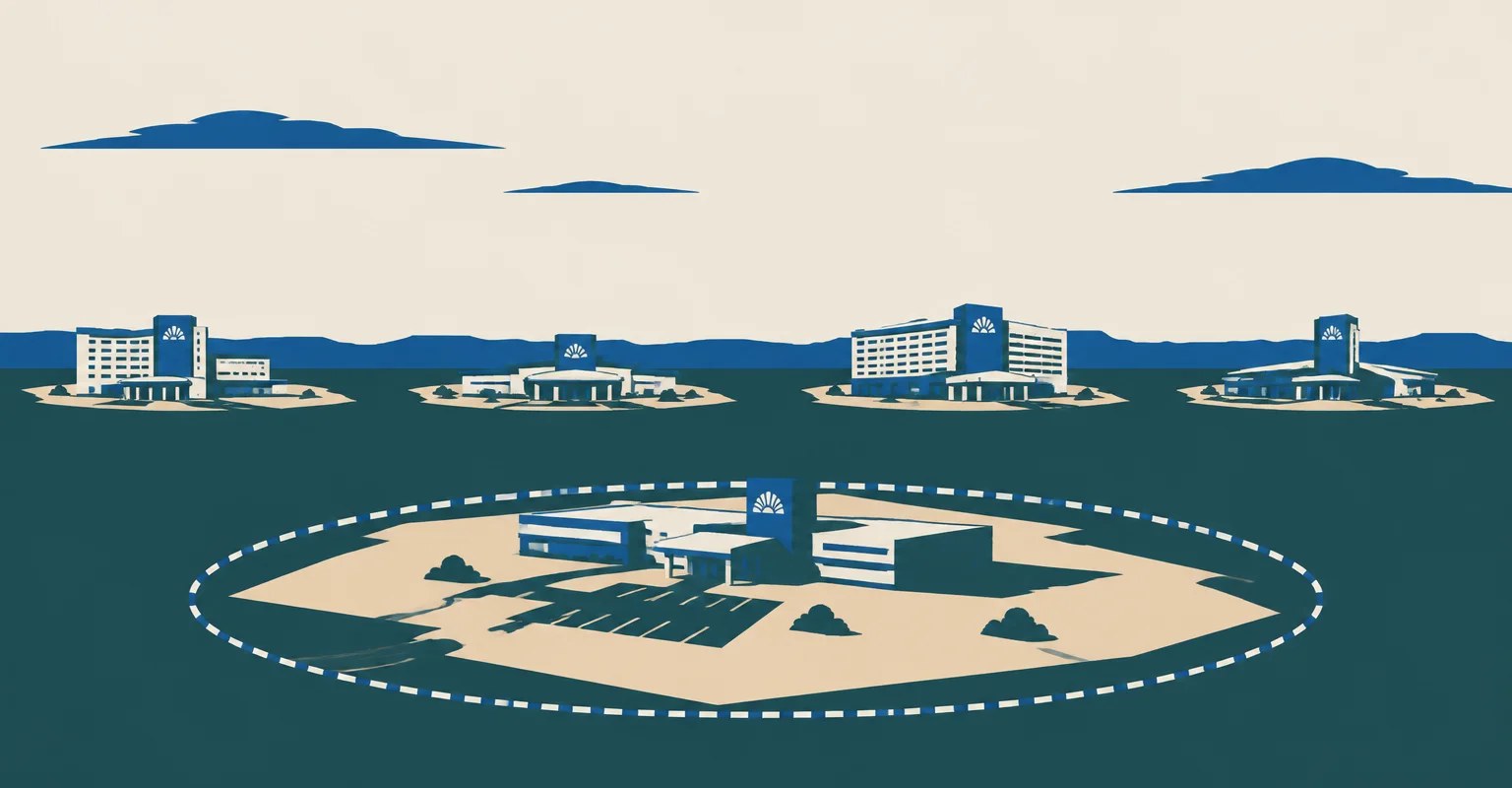
U.S. District Judge Margaret Strickland granted the preliminary injunction on Nov. 23 for the Mescalero Apache Tribe and the pueblos of Isleta, Pojoaque and Sandia. Kalshi has 14 days to establish a virtual geofence or another means of preventing people physically located on those lands from accessing its sports products.
The order is temporary while the underlying lawsuit proceeds. It applies only to the four plaintiff tribes’ lands, does not require Kalshi to unwind existing contracts and leaves the company free to operate elsewhere in New Mexico.
The tribes sued in May, alleging that Kalshi’s sports-event contracts violated their authority to regulate gaming under the Indian Gaming Regulatory Act of 1988, their gaming compacts and tribal law. All four tribes operate casinos and maintain compacts with the state. Sports gambling in New Mexico is permitted only at tribal casinos, according to Source New Mexico.
Strickland rejected Kalshi’s position that the Commodity Exchange Act places prediction markets exclusively under Commodity Futures Trading Commission jurisdiction. The judge found that the statute did not clearly displace the Indian Gaming Regulatory Act’s separate rules for gambling on Indian lands, and concluded that Kalshi’s sports contracts constituted Class III gaming.
Kalshi had also argued that its off-reservation offices and technological infrastructure meant tribal gaming restrictions could not apply. Strickland instead held that an online wager occurs where the bettor is physically located. “A Kalshi user purchasing a sports event contract on Kalshi’s site while physically located on tribal lands,” she wrote, “is no different than a bettor placing a wager at a casino.”
The court also rejected Kalshi’s reliance on the Unlawful Internet Gambling Enforcement Act and found that geographic restrictions would not impose an undue technical burden because the company already has geolocation technology. Kalshi has similar geofences in more than 50 jurisdictions worldwide.
The tribes submitted eight declarations to support their request. A Mescalero Apache gaming agent said he accessed the platform at several locations on the reservation and saw wagers materially similar to those offered at the tribe’s Inn of the Mountain Gods and Casino Apache. Technology directors for the three pueblo plaintiffs recorded about 30,000 visits to Kalshi’s website through property Wi-Fi networks over three weeks, although the figure did not establish the number of individual users or completed wagers.
Strickland found that the tribes faced irreparable harm beyond potential casino-revenue losses because unauthorized gaming impaired their sovereign authority. Mescalero Apache Vice President Duane Duffy said unapproved prediction-market activity on tribal lands undermined sovereignty and the ability to fund government services.
The ruling follows the Nov. 5 California injunction protecting the tribal lands of Blue Lake Rancheria and Chicken Ranch Rancheria of Me-Wuk Indians, as previously reported. Strickland said her decision followed the Ninth Circuit’s reasoning in Blue Lake Rancheria v. Kalshi; more than two dozen tribes supported the New Mexico case in an amicus brief.
Kalshi, founded in 2018, began offering sports event contracts in January 2025. Sports-related trading accounts for 89% of the fees it collects. The parties must file a discovery plan by Jan. 13, 2027, and the next hearing is set for Jan. 20, 2027.