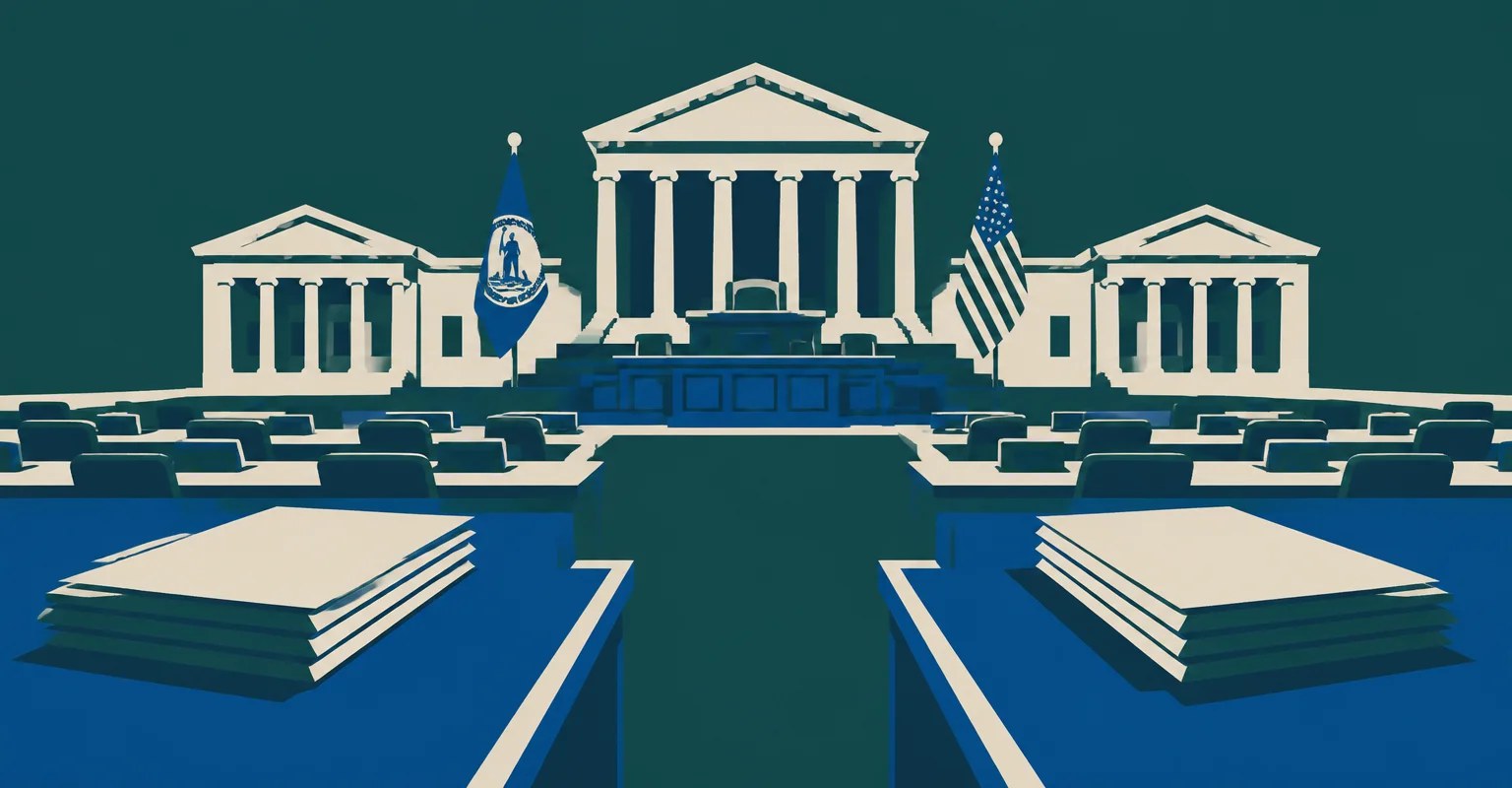
Virginia’s latest push to legalize real-money online casinos ended in stalemate in 2026. The House and Senate each approved competing bills, but lawmakers never agreed on a single measure before the session ended, leaving the state without a licensed online-casino market.
The bills were House Bill 161 and Senate Bill 118. SportsBettingDime reported that HB 161 passed the House of Delegates by 67-30 after two attempts to advance, while SB 118 cleared the Senate 19-17 after two attempts to move forward in the other chamber.
Neither chamber accepted the other’s version, and a conference committee did not produce a compromise before adjournment. Iredell Free News said the result pushes the licensing fight into 2027, after yet another session in which Virginia lawmakers discussed online casinos but failed to get a bill across the finish line.
The two proposals were built around the same basic framework. Each would have allowed Virginia’s three land-based casinos to issue up to three online-casino licences apiece to different operators. The bills also would have made two retail casinos opening later in 2026 eligible to issue three licences each.
Taxation was one of the main points of friction. The final version called for a 20% tax on operators’ adjusted gross revenue, up from an initial 15% proposal. Each operator would also have paid a $500,000 licensing fee, while each retail casino would have owed a $2 million platform fee.
The proposed licences would have lasted five years, with renewal available at half the cost. The legislation also included a reenactment clause, meaning any bill would have had to pass again in 2027.
The revenue split differed between the two measures. Under HB 161, 89% of online gaming tax revenue would have gone to the Virginia General Fund until January 2037, 5% would have gone to the Problem Gambling Treatment and Support Fund, and 6% would have gone to the Internet Gaming Hold Harmless Fund until January 1, 2037.
Under SB 118, 95% would have gone to the Modern Public Education Fund, with 3% reserved for the Gaming Regulatory Fund and 2% for the Problem Gambling Treatment and Support Fund. Those competing allocations were part of the broader impasse over how the state should use any future online-casino revenue.
The original reporting said lawmakers and advocacy groups voiced concern that iGaming could deepen problem gambling and gambling-related crime. The Cordish Companies also opposed expansion, citing worries about cannibalising retail casinos. Supporters, by contrast, argued the market could generate about $800 million in extra revenue after five years.
For now, Virginia residents still cannot play real-money casino games online through a state-licensed operator. Sweepstakes and social casinos remain legal and operational in the state, but they are free-to-play apps rather than regulated real-money casinos.
Virginia’s gambling market is already established in other areas. The state has had legal online sports betting since 21 January 2021, with a dozen online sportsbooks operating, and residents can buy draw games and instant games through the Virginia Lottery website and app. The state’s gambling timeline also records charitable gaming legalisation in 1973, creation of the Virginia Lottery in 1987, the first lottery ticket sale on 20 September 1988 and the launch of a lottery mobile app in July 2018.